Saltwater vs. Freshwater Boats
Table of Contents
- 1. The Battle Against Corrosion: Salt vs. Fresh
- Saltwater Boats: Built for the Brine
- Freshwater Boats: The Gentle Giant
- 2. Engine Cooling Systems: How They Breathe
- Open (Raw Water) Cooling
- Closed Cooling Systems
- 3. Hull Design: Stability vs. Shallow Draft
- 4. Maintenance and Longevity
- 5. Can You Use a Freshwater Boat in Saltwater?
- Comparison at a Glance
- Which Should You Choose?
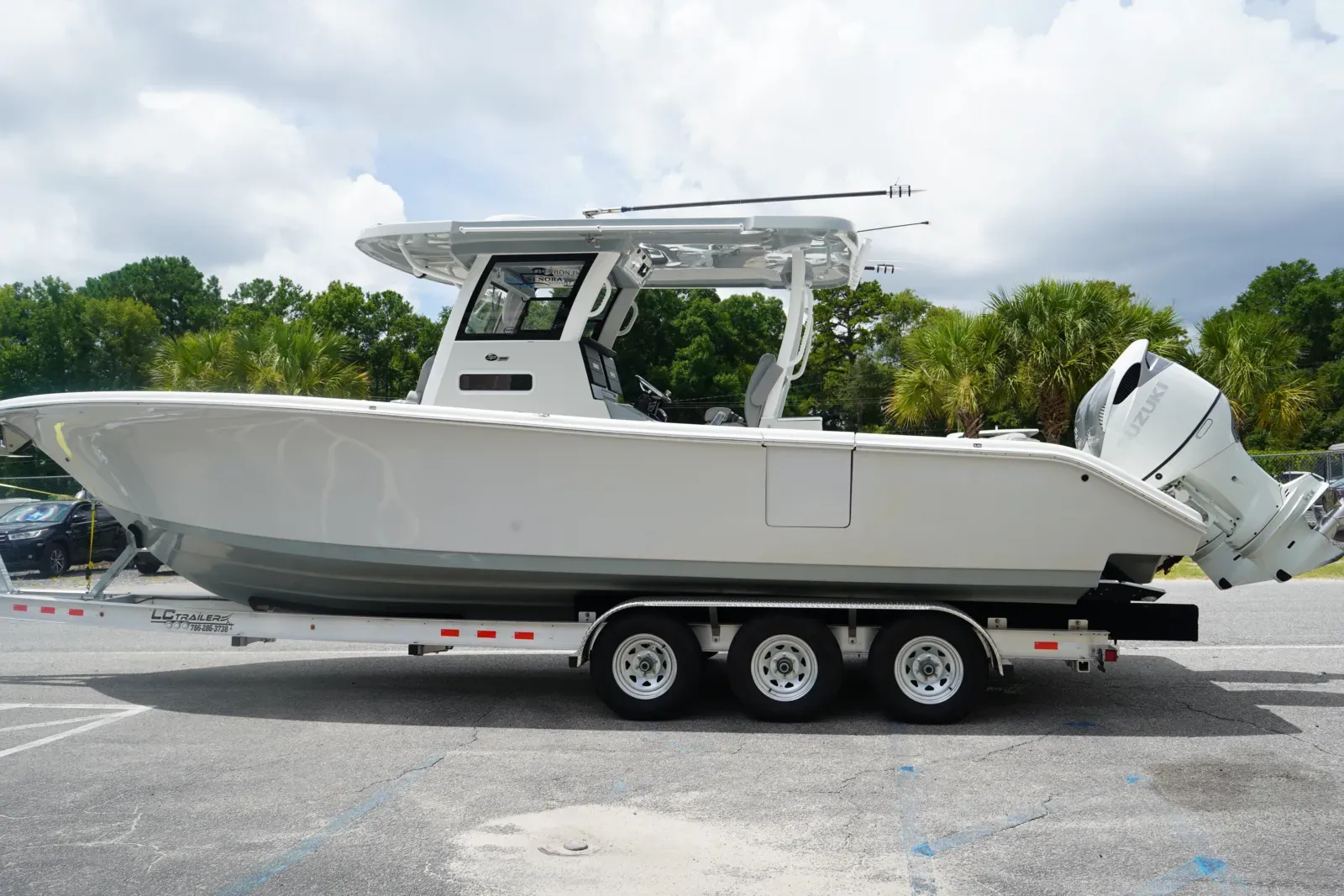
Whether you’re cruising the Wando River or heading offshore from Charleston Harbor, choosing between a saltwater and a freshwater boat is one of the most significant decisions you’ll make. At Longshore Boats, we know that our Lowcountry waterways offer the best of both worlds, but the boat you choose needs to be up to the task of the environment it calls home.
While a boat is technically a vessel that floats on water, the type of water, either salt or fresh, dictates everything from the metal used in the hull to the way the engine stays cool. In this guide, we’ll dive deep into the differences between saltwater vs. freshwater boats to help you decide which vessel fits your lifestyle.
1. The Battle Against Corrosion: Salt vs. Fresh
The most obvious difference between these two environments is salinity. Saltwater is roughly five to ten times more corrosive than freshwater. This isn’t just a minor detail; it’s a chemical reality that impacts every inch of your boat.
Saltwater Boats: Built for the Brine
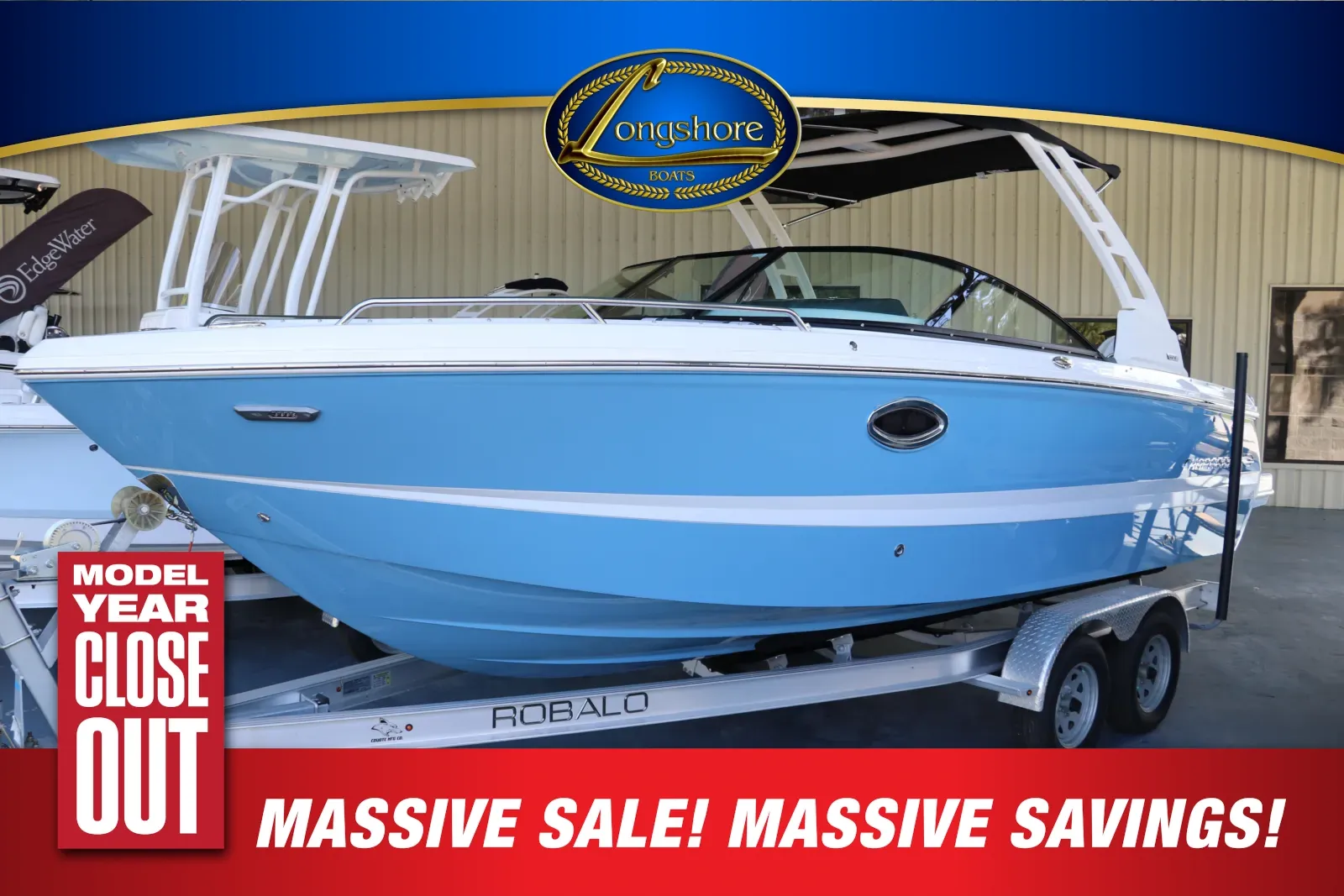
Boats designed for the ocean, like those from Robalo or EdgeWater, are engineered with salt-resistant components. This includes:
- 316 Stainless Steel: Higher-grade hardware that resists pitting and rust.
- Sacrificial Anodes: Often called zincs, these are replaceable metal blocks that sacrifice themselves to electrolysis so your engine and drive unit don’t corrode.
- Sealed Electrical Systems: Tinned wiring and heat-shrunk connectors prevent salt air from wicking into your electronics.
Freshwater Boats: The Gentle Giant
Inland boats, such as certain pontoons or bass boats, are often built with more aluminum or lower-grade fasteners. Because freshwater lacks the high conductivity of salt, these materials can last for decades with minimal fuss. However, if you take a strictly freshwater boat into the Charleston salt without preparation, you may see rust on your trailer and hardware within weeks.
2. Engine Cooling Systems: How They Breathe
The heart of your boat, the engine, handles salt and fresh water very differently. This is perhaps the most critical technical distinction to understand.
Open (Raw Water) Cooling
Common in freshwater boats, this system pulls water directly from the lake or river, circulates it through the engine block to cool it, and spits it back out. In freshwater, this is fine. In saltwater, this means salt is sitting inside your engine block, crystallizing and eating away at the iron.
Closed Cooling Systems
Many modern saltwater-rated engines use a closed cooling system, similar to a car’s radiator. A heat exchanger uses raw saltwater to cool a separate internal loop of antifreeze/coolant. This keeps the corrosive salt away from the sensitive internal components of the engine, significantly extending its lifespan.
Pro Tip: Regardless of your cooling system, we always recommend a freshwater flush after every outing in the Lowcountry.
3. Hull Design: Stability vs. Shallow Draft
The water conditions in a lake are rarely the same as the Atlantic Ocean. Consequently, hull shapes are tailored to these specific environments.
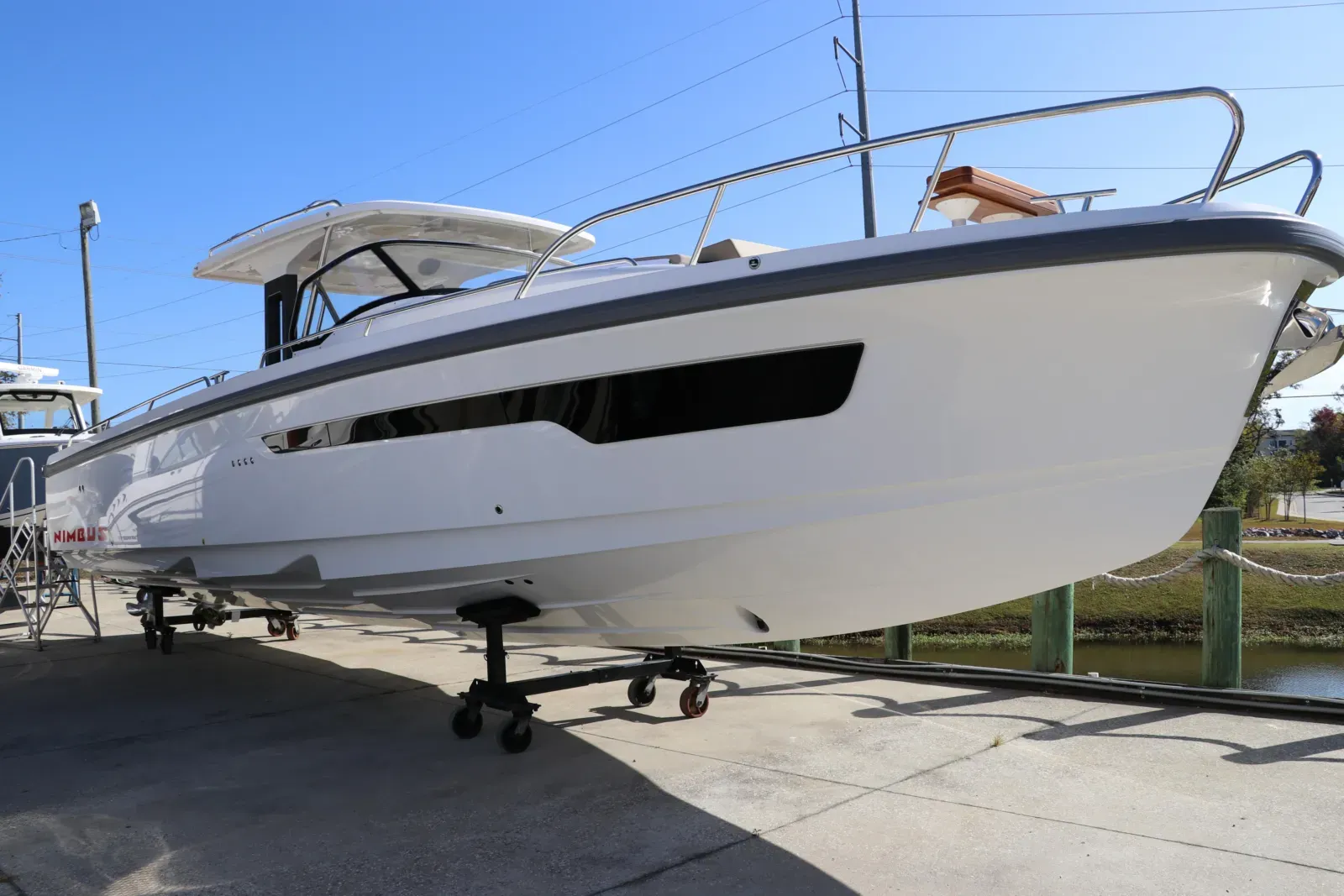
- The Deep-V (Saltwater Standard): Most saltwater boats feature a sharp, deep-V hull. This design is meant to "slice" through 3-foot swells and choppy coastal waters, providing a dry, stable ride for your family.
- Modified-V or Flat Bottom (Freshwater/Inshore): Freshwater boats often have flatter bottoms. This provides better stability at rest (great for casting) and allows the boat to skin over shallow water. These are perfect for the flats or calm lakes, but they will give you a bumpy ride if you try to cross a choppy harbor.
4. Maintenance and Longevity
It’s a common saying in the industry: "A saltwater year is like five freshwater years."
If you choose a saltwater boat, your maintenance routine will be more rigorous. You’ll need to:
- Rinse Everything: Salt spray gets everywhere, the upholstery, the T-top, and the deck.
- Engine Flushing: Using a product like Salt-Away helps dissolve salt crystals inside your outboard.
- Bottom Paint: If you plan on leaving your boat in a wet slip in Charleston, you’ll need anti-fouling paint to prevent barnacles and hull fouling that doesn't occur in most freshwater lakes.
- Freshwater boats require less daily scrubbing, but they still face challenges like algae buildup and mineral scaling.
5. Can You Use a Freshwater Boat in Saltwater?
This is the number one question we get at the dealership. The short answer is yes, but with a big asterisk.
If you take a freshwater-optimized boat into the salt:
- The Trailer: Most freshwater trailers are painted steel. Saltwater will eat through them from the inside out. You’ll want a galvanized or aluminum trailer for the coast.
- The Gear: You may need to upgrade your trolling motor or anchors to saltwater rated versions to prevent them from seizing up.
- The Cleanup: You must be 100% diligent about washing the boat and flushing the engine immediately after use.
Conversely, a saltwater boat works perfectly in freshwater. In fact, a salt-ready boat is arguably the most durable vessel you can buy, regardless of where you plan to boat.
Comparison at a Glance
| Feature | Saltwater Boat | Freshwater Boat |
|---|---|---|
| Primary Material | Fiberglass / Marine-Grade Alum. | Aluminum / Fiberglass |
| Hardware | 316 Stainless Steel | Stainless / Chrome-plated |
| Cooling | Often Closed-Loop | Usually Raw-Water |
| Hull Shape | Deep-V (for chop) | Flat/Mod-V (for shallow) |
| Maintenance | High (Flush & Rinse daily) | Moderate (Regular Cleaning) |
Which Should You Choose?
In the Charleston and Bluffton areas, we almost always recommend a boat with saltwater specifications. Even if you spend 80% of your time in the brackish rivers, the added durability of stainless steel, tinned wiring, and salt-resistant outboards protects your investment and ensures a higher resale value.
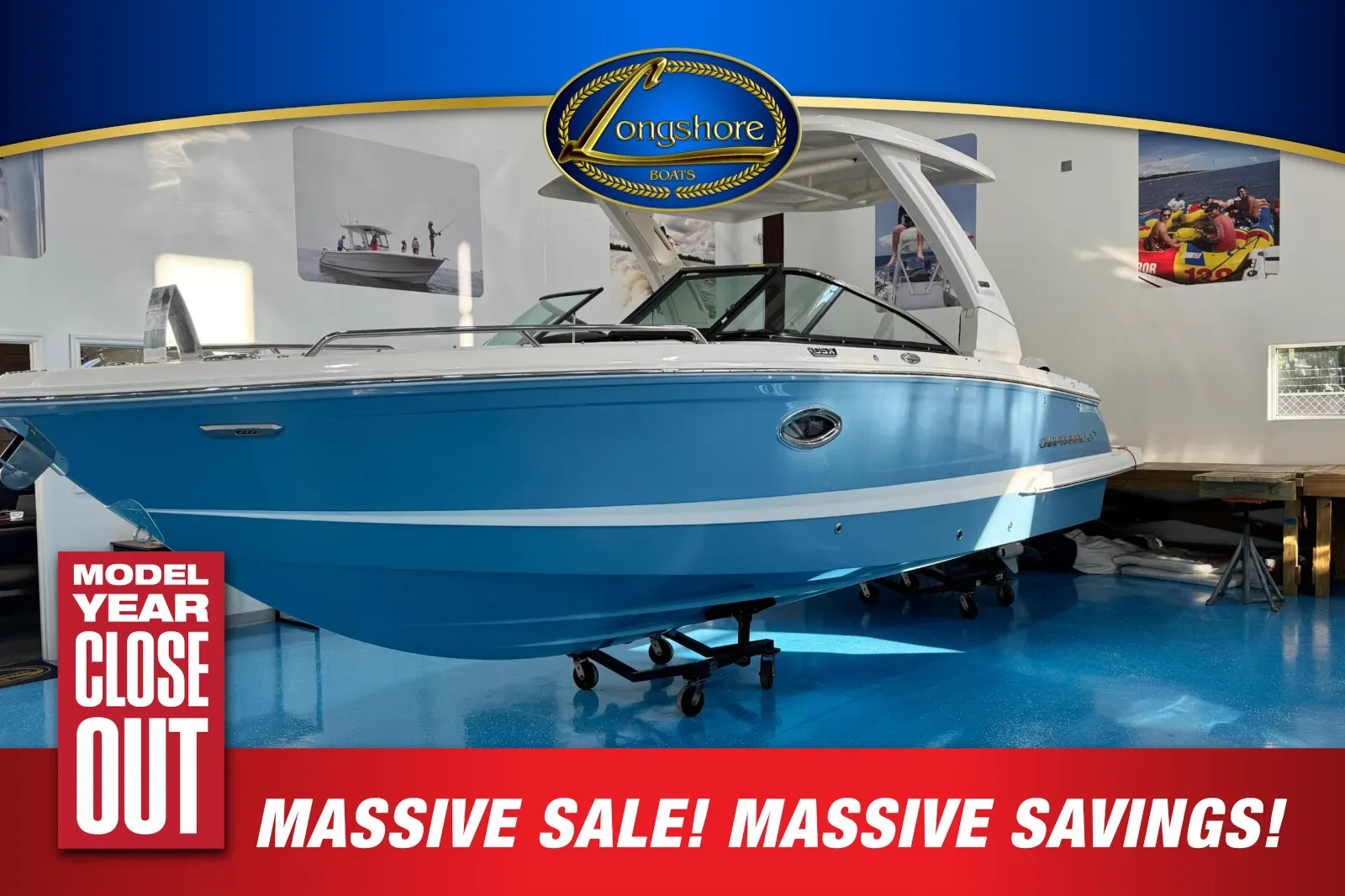
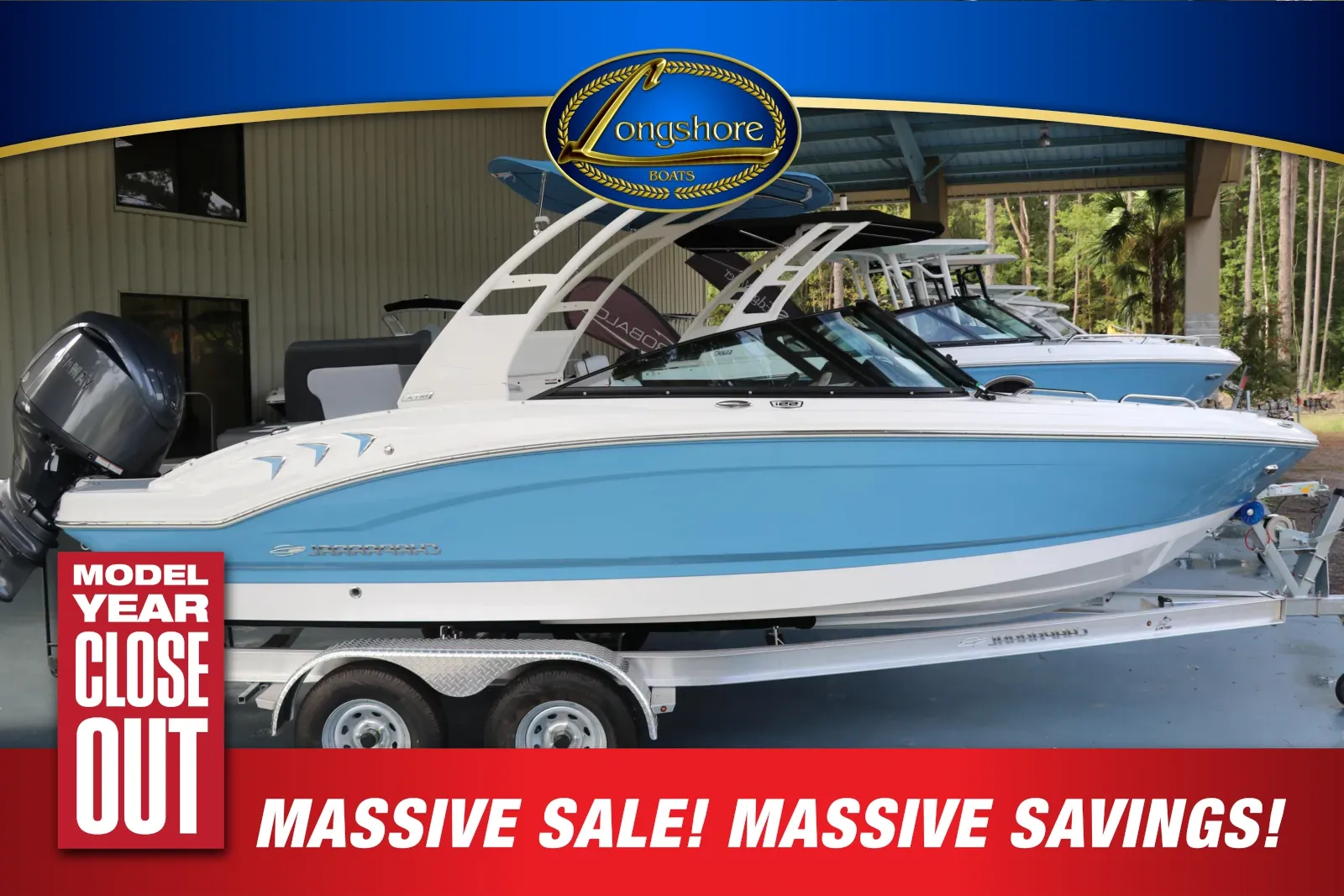
If you’re looking for a boat that can handle the tides, the Cooper River, and the occasional trip to the sandbar, come see us at Longshore Boats. We carry a premium selection of Robalo, EdgeWater, and Chaparral boats specifically rigged to conquer the South Carolina coast.